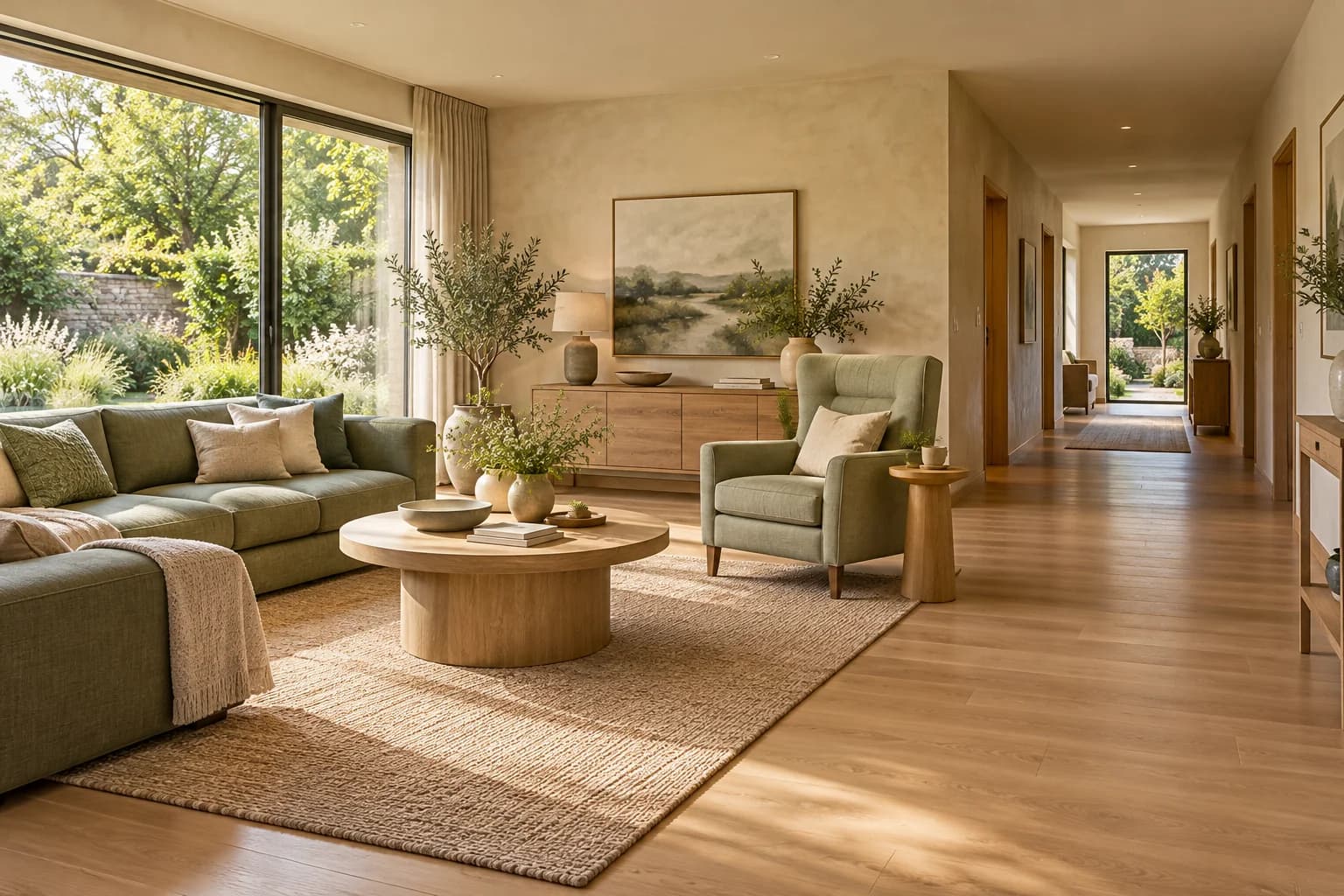
01 / Problem or territoryWhat is being examined?
A difficult threshold. A bathroom that no longer fits your routine. Lighting that makes an evening walk down the hall harder than it should be. Home adaptation is often a collection of small decisions before it becomes a building project.
02 / Venture rationaleWhat might be true?
Everstead Living is being designed to turn those concerns into an organized, room-by-room brief: what matters now, what can wait, and which questions need a qualified professional. The starting point is your routine, your priorities, and a home that still feels like yours.
03 / What exists nowWhat exists now?
Explore the home one routine at a time: arrival, movement, bathing and evening light. Select rooms, see an illustrative adaptation brief, and prepare a household-planning note. The proposed service remains in development; clinical assessment, technical design and construction require appropriately qualified professionals.
04 / Founder roleHow the venture is being developed.
Venture concept, accessible-living positioning, customer journey, brand and visual direction, preliminary website architecture, and early service-validation planning.
05 / Next milestoneWhat has to happen next?
Proposed first cohort: interview 10 households and 3 home-accessibility professionals to identify repeated planning problems. Trial the brief with 5 volunteer households in one local service area, subject to partner availability. Check whether priorities are understood, a professional can act on the brief, and follow-up questions decrease. These are validation goals, not reported results.
06 / OpportunityWho could materially help?
Initial customers: Homeowners planning ahead. People who want to understand access and comfort before a move, renovation, or change in household needs. Potential collaborators: Occupational therapists, accessibility designers and home-modification contractors interested in a clearer client handoff.